Do You Still Need to Water Plants If It Rains? Expert Tips on Garden Watering & Rainfall
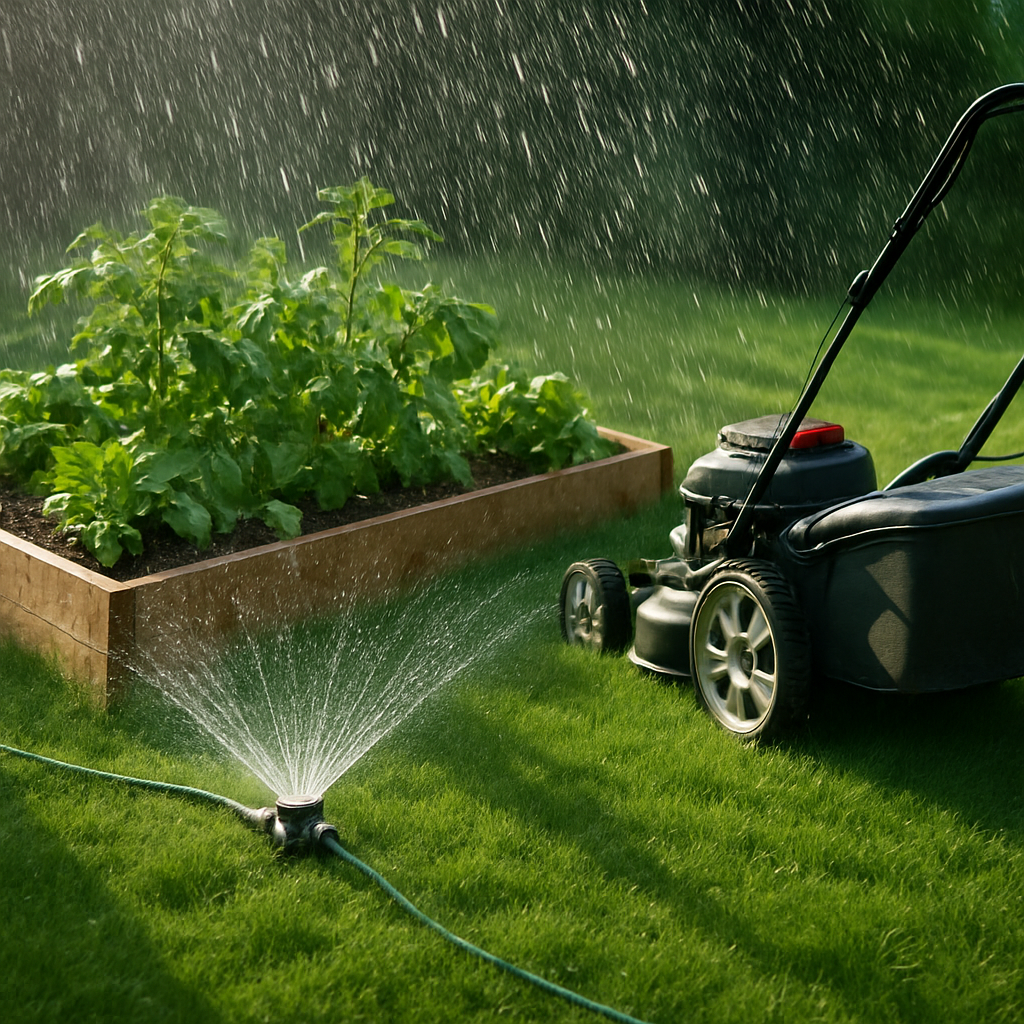
Even after a heavy rainfall, not all your garden or outdoor potted plants necessarily get the water they need. While rain often seems like the perfect free watering system, various factors—like plant type, weather intensity, and root zone coverage—can leave your crops, lawn, and flowers still thirsty. Understanding how rain interacts with your specific landscape and what happens to plants that don’t get direct watering is vital for strong, healthy growth all year round.
Should You Water Garden Plants After Rain?
Rainfall isn’t a perfect substitute for intentional watering—especially when it comes to gardens filled with a variety of plants or in regions prone to short, sporadic showers. Many experts recommend watering by hand even after it rains, especially when rainfall is light, falls at an angle, or fails to soak down to the root zone. When rain only wets the surface foliage or topsoil, deeper roots often remain dry, and plants with higher moisture needs will suffer.
How much rain actually reaches your plants’ roots depends on factors like canopy density, mulch thickness, and recent weather conditions. In summer heat or when you have a dense garden bed, much of the rainfall can run off leaves and never enter the soil beneath. Using a rain gauge—readily available at garden centers or near you—helps track exactly how many millimeters or inches of water your plants received.
If you’re unsure whether your crops or garden flowers need extra watering, a simple test is to dig down a few inches beside a plant and feel the soil. If it’s dry below the surface, supplement natural rainfall with targeted watering using a watering wand or soaker hose to ensure moisture reaches the root zone.
Why Some Plants Need Extra Watering Even After Rain
Different types of plants and soil absorb and retain water at different rates. Heavy clay holds water for longer periods—sometimes too long, potentially leading to root rot—while sandy soils drain rapidly and may require more frequent watering, particularly after a single rain event. Rain rarely targets roots directly; droplets usually fall on foliage or the soil’s surface, and much is lost to evaporation or runoff before it penetrates down far enough.
Potted plants, including those kept outdoors during spring and summer or indoors during cold periods, often dry out faster and may get less rain exposure due to their location (under eaves, porches, or dense canopies). If you’re gardening in hot climates like Florida or Arizona, or during periods with 90-degree days, evaporation happens quickly, and rainfall may not stick around long enough to be effective. Thus, even after it rains, your outdoor pots and beds may not have enough water.
Some crops—especially new plantings or vegetables growing rapidly—need consistent, deep moisture to encourage strong root growth. For these, supplemental watering is usually necessary after rain unless you measure enough rainfall with a garden gauge to meet their specific needs, usually one to two inches per week for most gardens.
How Much Rainfall is Enough for Healthy Crops and Flowers?
The gold standard for most home vegetable gardens and flower beds is about 1 inch (25 mm) of water per week, either from rainfall or supplemented with irrigation. Using a simple rain gauge in your garden—placed in an open area away from buildings and trees—provides the most accurate measure of how much precipitation actually reaches your soil. Digital weather station apps or maps can help estimate rainfall, but local microclimates make direct measurement ideal.
Heavy rainfall doesn’t always equal effective watering. Much depends on soil saturation prior to the event—if your ground was already wet, rain may simply run off. In clay-heavy areas, water may pool rather than soak, while in sandy beds, it may drain too fast. Using rainwater for garden irrigation is excellent, as it’s free of added chemicals, but you must ensure you’re applying it in the right amount and frequency.
It’s just as important not to overwater, especially after a day or night of heavy rain. Overwatering can leach nutrients, promote fungal growth, or lead to root diseases. So, before adding more water, always check soil moisture and remember that too much of a good thing can be as harmful as too little.
- How Long Does Water Stay After Rain?
- Should You Fertilize After Rain?
This varies greatly depending on soil type, air temperature, and overall weather. In hot summer or extreme heat, water can evaporate rapidly, leaving soil thirsty again after just a day. Cooler, cloudy conditions stretch the effects of natural rain, with moisture lingering longer.
Only if the soil is not already saturated and your crops need nutrients. Heavy rain can wash fertilizer away, reducing its benefits. Apply fertilizer after light rains when soil is moist, but not waterlogged, for best results.
Watering Garden Beds vs. Lawn vs. Pots: When Rain Isn’t Enough
Lawn grass, garden crops, and potted flowers all have different needs. Lawns typically respond well to natural rainfall, but if it stays hot and dry, or if the soil underneath is compacted, roots may not benefit from surface moisture alone. Aerating your lawn and using a rain gauge nearby ensures rain gets down deep enough.
Outdoor garden beds—especially those with thick plantings—benefit most from a combination of rainfall and targeted watering. Using tools like a watering wand enables you to direct water straight to the root zone, which is particularly important for new or young crops with limited root systems. Pre-wetting soil can also help rain penetrate more deeply, especially in dense or hydrophobic soils.
Pots, hanging baskets, and raised bed planters dry out faster, especially during summer in warm climates like Florida, Arizona, or Australia. Indoor plants are unaffected by rain and depend solely on regular watering. Always feel the soil before and after rainfall to decide if more water is necessary for each type of plant.
Real-World Timelines: How Long After Rain Should You Water?
Determining how long to wait before adding more water after rainfall depends on observation. On a hot or windy day, even heavy overnight rain may leave your soil dry again by afternoon. In cool, cloudy weather, the effect of rain can last several days. If you’re replanting, gauge the moisture level before watering in. For fruit trees, vegetables, or flowers established in beds or containers, monitor the soil daily using your hands—feel for moisture 2-3 inches down, and only add water if the soil is dry at that depth.
Gardeners frequently ask about the right timing after rainfall. The answer is highly individual to your microclimate and soil conditions. In general, check daily in hot or windy periods, while in cooler months or after heavy rains, less frequent checking may be adequate.
When using rainwater you’ve collected for your garden, ensure it’s clean and stored in a covered container to prevent contamination. Many gardeners ask if rain can make crops grow faster, and the answer is: rain helps, but consistency and correctly timed watering make the biggest difference in growth speed and yield.
Making Sense of Garden Watering Through the Seasons
Throughout the year, plant needs shift with temperature and rainfall patterns. In hot regions, like summer in Florida or the spring heat of Arizona, plants may need watering even every day if temperatures soar above 90 or 100 degrees. In autumn and winter, as growth slows and the weather cools, plants need less water—but don’t neglect those in active growth, as dry spells can still occur.
Some crops and flowers, especially newly planted or young specimens, require consistent watering regardless of the season, as their roots have not yet penetrated deeply enough to access residual soil moisture. Without a watering can or hose, you can rely on rainfall, but only if you measure and confirm that your plants have enough. Use a gauge to track precipitation and adjust your watering routine as needed.
In places like Cambridge, Australia, or whenever using collected rainwater, test the quality before applying, especially if local air pollution or roof materials may introduce contaminants. The key is vigilance—plants often signal water needs with wilting, leaf curl, or reduced growth.
Ultimately, even the best rainfall isn’t always enough for a healthy, thriving garden—so monitor, measure, and water as needed to help your plants flourish.


Comments
Post a Comment