Watering Plants Indoors: How Often Should You Water and Prevent a Mess at Home
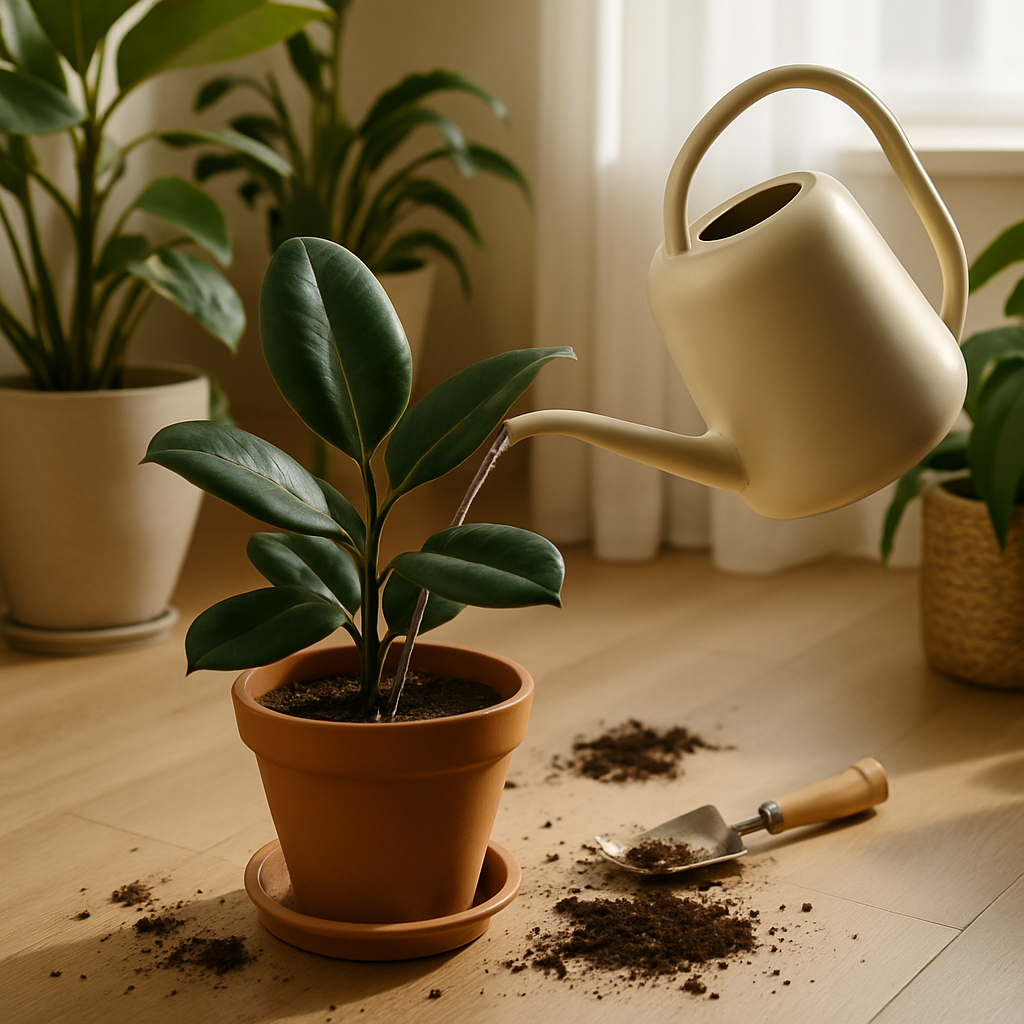
Successfully watering plants indoors is about knowing when—and how much—your plants actually need water, rather than following a set schedule. The best results come from a careful balance: check your plant's soil regularly, water only when needed, and use smart watering methods to promote healthy growth without creating a mess in your living space. By paying attention to indoor plant requirements and room conditions, you set the foundation for thriving houseplants and happier home environments.
Understanding How Often Should You Water Indoor Plants
Determining how often you should water depends on several factors: the type of plant, potting mix, indoor temperature, humidity, and even the amount of sunlight your plants receive. Watering on a rigid schedule often leads to problems like overwatering or underwatering, both of which can harm roots and stunt growth. The most effective way to assess your plant's moisture needs is by testing the soil about two inches deep with your finger—if it feels dry, it's probably time to water. This practical advice is backed by expert sources such as the University of Maryland Extension, which suggests that your plants will effectively "tell" you when they need moisture (see source).
During the winter months, indoor plants typically require less frequent watering due to slower growth rates and reduced evaporation from cooler temperatures and lower light conditions. Conversely, during summer or if your home is heated and dry, moisture evaporates more quickly, which means you might have to increase your watering frequency—but always check the soil before adding more water.
Whenever you do water, make sure to saturate the soil thoroughly so that excess water drains out from the bottom of the pot. This encourages healthy root systems and prevents the buildup of salts in the potting medium, which can otherwise damage your plants over time. Always empty saucers after watering to prevent roots from sitting in water, which can cause rot.
Techniques for Watering Without Making a Mess Indoors
One of the most common concerns for plant owners is preventing water damage to floors, tables, or shelves. Using simple strategies can make watering neat and stress-free. First, choose pots with drainage holes to allow excess water to escape, and pair them with adequately sized saucers to catch runoff. For extra protection, insert an absorbent mat or tray underneath your pots for drips or splashes.
Watering tools also matter—long-spouted watering cans or squeeze bottles let you direct water at the soil and avoid the leaves, minimizing spills. For smaller pots or tight locations, use a turkey baster or a repurposed sports water bottle for more control. Always water slowly, giving soil time to absorb moisture without overflowing.
If your collection includes plants in decorative outer pots without drainage, remove the inner nursery pot for watering at the sink, letting water drain completely before returning it to its display spot. This practice prevents water pooling at the bottom, which can create constant dampness and foster root disease.
Winter Watering Needs and How to Monitor Soil Conditions
Many indoor gardeners wonder how often should you water plants indoors during the winter season. As mentioned, plant growth slows when daylight hours shorten and indoor heating dries the air, but cold roots also absorb water more slowly. A soil moisture meter or simply checking two inches below the surface with your finger are reliable ways to monitor soil dryness in colder months.
Sometimes, you might only need to water every 10 to 14 days, and certain low-water species can wait even longer. If you notice yellowing leaves or soggy soil, it's a sign your plant is receiving too much moisture. Always adjust watering amounts and timing to fit your specific indoor environment, including container size and soil type.
Keeping a simple indoor plant chart can help you keep track of different plants' water needs through changing seasons. Note each plant type, preferred soil dryness, and current placement in your home. That way, you minimize the risk of accidental neglect or overenthusiastic watering during the months your plants require less care.
Indoor Plant Tools and Tricks for Consistent Care
Having the right tools not only makes watering plants indoors easier but also more enjoyable. Long-spouted or narrow-necked watering cans offer precision, allowing you to reach all your pots without disturbing the rest of your living space. Some indoor gardeners invest in lightweight 2-gallon or 1-gallon watering cans for regular care, choosing models that fit comfortably under the sink faucet and are easy to maneuver, even when full.
If traveling or busy routines make consistency difficult, consider using self-watering pots or water-retention spikes for certain plant types. These systems slowly release water over time, maintaining even moisture while reducing the risk of soil dry-out or messy overflows. While not necessary for every home, these tools can be helpful when you have a growing indoor collection or frequent absences from home.
An indoor plant chart, displayed on your fridge or near your growing area, is a simple but effective reminder for scheduled care. List each plant's name, recent watering date, and observed soil condition. With this method, you're more likely to spot irregularities early and adjust your routines for healthy growth all year long.
Adapting Your Techniques for Large Plants and Special Conditions
Larger indoor plants, especially those in heavy or cumbersome pots, present a unique watering challenge: how to thoroughly saturate the soil without overwatering or damaging your floors. The key is to pour water in slowly and check runoff carefully. It may be helpful to use a watering can with a narrow spout to reach deep into the root ball, ensuring water reaches the lowest layers of soil.
If your plant's pot is too large to move, use a moisture meter to gauge water levels at various depths, or probe the soil several inches below the surface, as suggested by expert guides (source). This prevents guesswork and lets you customize your watering frequency based on actual plant needs, not guesswork.
In especially hot or dry indoor conditions—such as in summer, or if central heating is running regularly—monitor your plants more frequently. While some large plants adapt well to reduced watering, others with tropical needs may need more frequent checks. Adjust the timing and quantity as your plants and indoor climate change through the seasons.
Summary: What Is the Right Approach to Indoor Plant Watering?
- Know your plant and soil requirements: Every plant variety, soil blend, and pot has different needs. Track each one individually, and consult authoritative guides like the one from the University of Maryland Extension as needed.
- Avoid one-size-fits-all watering: Let your plants and the soil's moisture alone be your primary guide—environment and season play pivotal roles. If in doubt, fewer deep, thorough waterings are better than frequent, shallow drinks.
Success with watering plants indoors comes from observation, experimentation, and a little patient learning. By considering when, how much, and how often to water, while keeping messes at bay, you cultivate healthier plants and a more enjoyable home environment.


Comments
Post a Comment