How Grass Clippings and Food Scraps Can Be Recycled by Composting at Home in Autumn Weeks
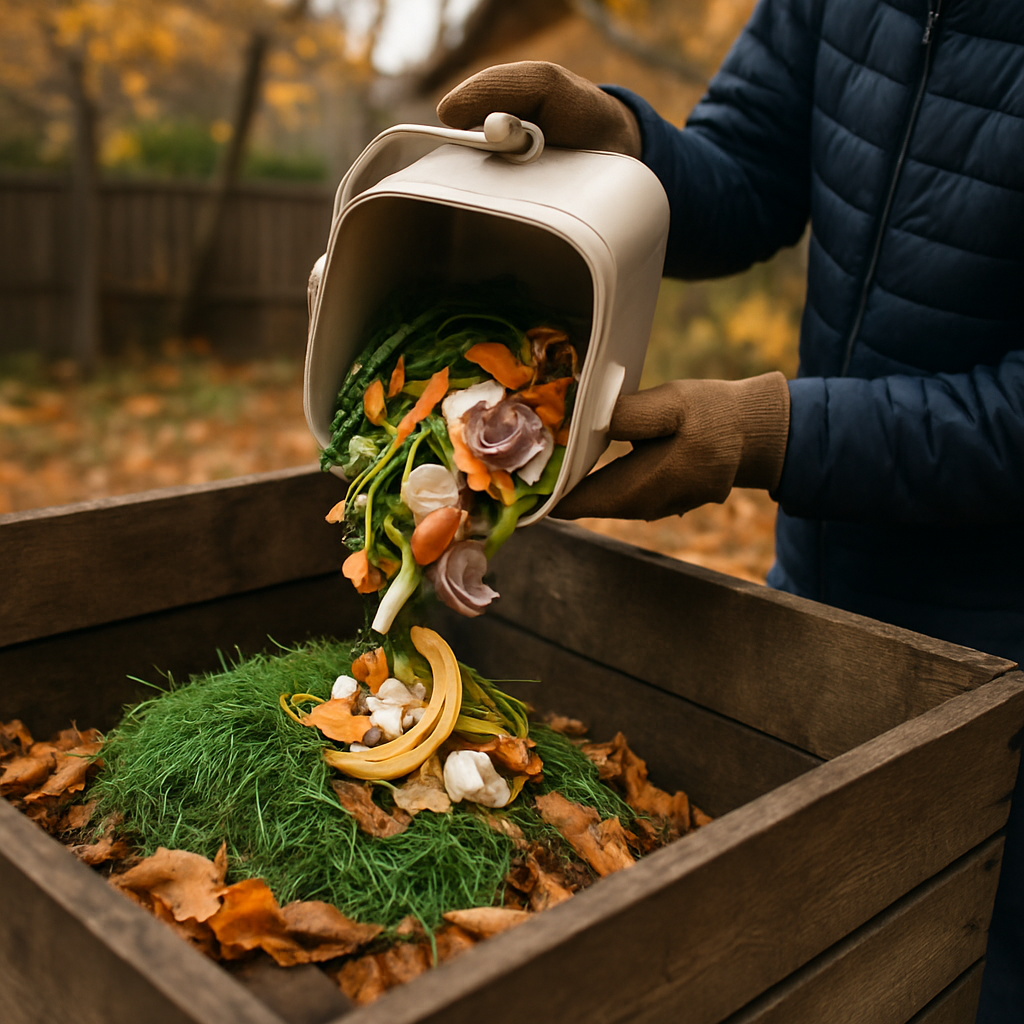
Composting Grass Clippings and Food Scraps: Immediate Steps for Autumn Weeks
Grass clippings and food scraps can be efficiently recycled by composting at home, especially during the autumn weeks when lawn and kitchen waste peak. In as little as a few weeks, you can transform these organic materials into nutrient-rich compost to improve your garden soil, reduce landfill waste, and participate in nature’s own method of recycling. By starting now, you harness fall's abundance of leaves and kitchen scraps, supporting a healthier environment and reducing your household trash load. For a full understanding, the EPA's official Composting at Home guide offers practical steps and recommendations.
Understanding What Grass Clippings and Food Scraps Do in Compost
Combining fresh grass clippings with kitchen scraps creates an ideal nitrogen source for composting. These "greens" feed microorganisms that break down organic matter, while brown autumn leaves or shredded cardboard balance moisture and carbon content. A healthy compost pile requires both ingredients—clippings and food scraps—to accelerate decomposition and lower odors.
Food scraps encompass more than just fruit and vegetable peels; think of coffee grounds, crushed eggshells, tea bags (without staples), and leftover produce. Mixing these with fresh yard clippings means harnessing the energy of autumn's natural cycles and reducing reliance on landfill disposal. According to the Portland Bureau of Planning & Sustainability, backyard compost piles transform these materials into soil amendments that promote healthy gardening.
- Nitrogen-rich food and yard waste increase microbial action.
- Composting at home cuts back landfill-bound trash overflow common during autumn garden cleanups.
- Finished compost supports fall garden beds getting ready for spring planting.
Preparing Kitchen Scraps and Grass Clippings Before Composting
Before adding kitchen waste or yard debris to your bin, chop or shred materials to expand surface area and speed up decomposition. Crushed eggshells, cut-up vegetable peels, and finely shredded grass minimize matting, which can block airflow. Avoid oily or animal-based kitchen scraps (meat, cheese, fats), as these attract pests and break down slowly in backyard settings.
Don’t forget autumn-specific additions: Pine shavings and wood cones add texture to compost, balancing wet food scraps and grass. If your area has local programs like Republic Services or drop-off points, excess grass and leaves can be redirected for large-scale processing—but for a true home project, a simple DIY bin suffices. Regularly layering food and yard waste ensures an even, active pile.
Special care should be taken in winter: If you continue composting kitchen scraps in winter, maintain pile insulation with straw or extra leaves to keep microbes active. Even when composting slows, materials break down steadily, and spring turning will accelerate results.
Best Practices for Composting at Home During Fall Weeks
For efficient fall composting, follow these practical guidelines:
- Alternate Green and Brown Layers: Sandwich thin layers of grass clippings and kitchen waste between dry leaves or shredded cardboard for air and moisture balance.
- Aerate Regularly: Use a bucket, shovel, or garden fork to turn the pile every 2-3 weeks. Aeration delivers oxygen for bacteria, fast-tracking decomposition.
- Monitor Moisture: Keep compost as damp as a wrung-out sponge. Excessively wet piles (often from too many food scraps or soap-laden water) can stagnate, but a good leaf and clippings mix keeps balance.
- Add Peat Moss or Pine Shavings: These absorb excess water, improve pile structure, and curb odors as you add autumn harvest remains.
- Harvest Finished Compost: Mature compost, dark and crumbly, is ready in several weeks to a few months under active fall management. Use it for mulching, planting bulbs, or enriching garden beds for the next season.
Regular removal of large debris—sticks, dead cones, or fallen bricks—keeps the process smooth. Understanding what not to add (like plywood, livestock waste, or painted wood) protects your pile and garden health.
Where Can You Drop off Extra Yard Waste or Participate in Local Composting Programs?
If your household produces more clippings or food waste than your compost setup can handle, check if your municipality or waste service has a collection or drop-off program during autumn tidy-up. Many cities—including programs highlighted by the EPA and local councils—offer directions for drop-off locations specifically for leaves, grass, and kitchen scraps.
Some programs accept unique items such as recycling clothing, pine cones, or even recyclable plastics (PLA), but confirm guidelines as not all facilities can process these materials. In cities like Seattle and throughout the NC council areas, curbside collections or autumn events help divert tons of yard waste from landfills. Stay updated through your local community board for program dates and accepted materials.
Participating in these programs maximizes seasonal junk removal, fosters fast turnaround of autumn debris, and supports community compost output for gardens, parks, and public spaces. The synergy between home and municipal composting creates a closed-loop harvest, bringing your autumn project efforts full circle.
Fun Facts & Seasonal Tips for Composting Kitchen and Yard Waste
Composting is filled with small discoveries and seasonal adjustments:
- Soap Bucket Method: Rinsing compost buckets with leftover soap-free wash water helps keep odors down and attracts fewer pests.
- Autumn Harvest Timing: Composting kitchen scraps in autumn means less waste during heavy cooking seasons and creates rich amendments for spring gardens.
- DIY Bins: Simple containers made from reclaimed plywood or wood cones are effective; avoid treated wood which may leach chemicals.
- Fast Composting: Thin layers of grass, paired with shredded leaves, break down surprisingly fast when turned every few weeks.
- Leaf Pile Bonus: Creating a separate leaf pile speeds browns' availability for next year’s compost batches as well.
For many, composting becomes more than a home project—it’s a year-round practice that supports soil health, reduces landfill demand, and builds a connected community focused on sustainability. Each kitchen scrap and autumn clippings collection advances us toward a zero-waste landscape and thriving, resilient gardens.
If you are seeking detailed guides or support, always refer to the EPA’s Composting at Home resource, which offers step-by-step directions for every home composting scenario.
Every autumn week gives you fresh opportunities to recycle grass clippings and food scraps, transform kitchen waste, and nourish your soil for seasons to come.


Comments
Post a Comment