How to Recognize and Treat Sod Webworm Damage in St Augustine Grass for a Healthy Recovery
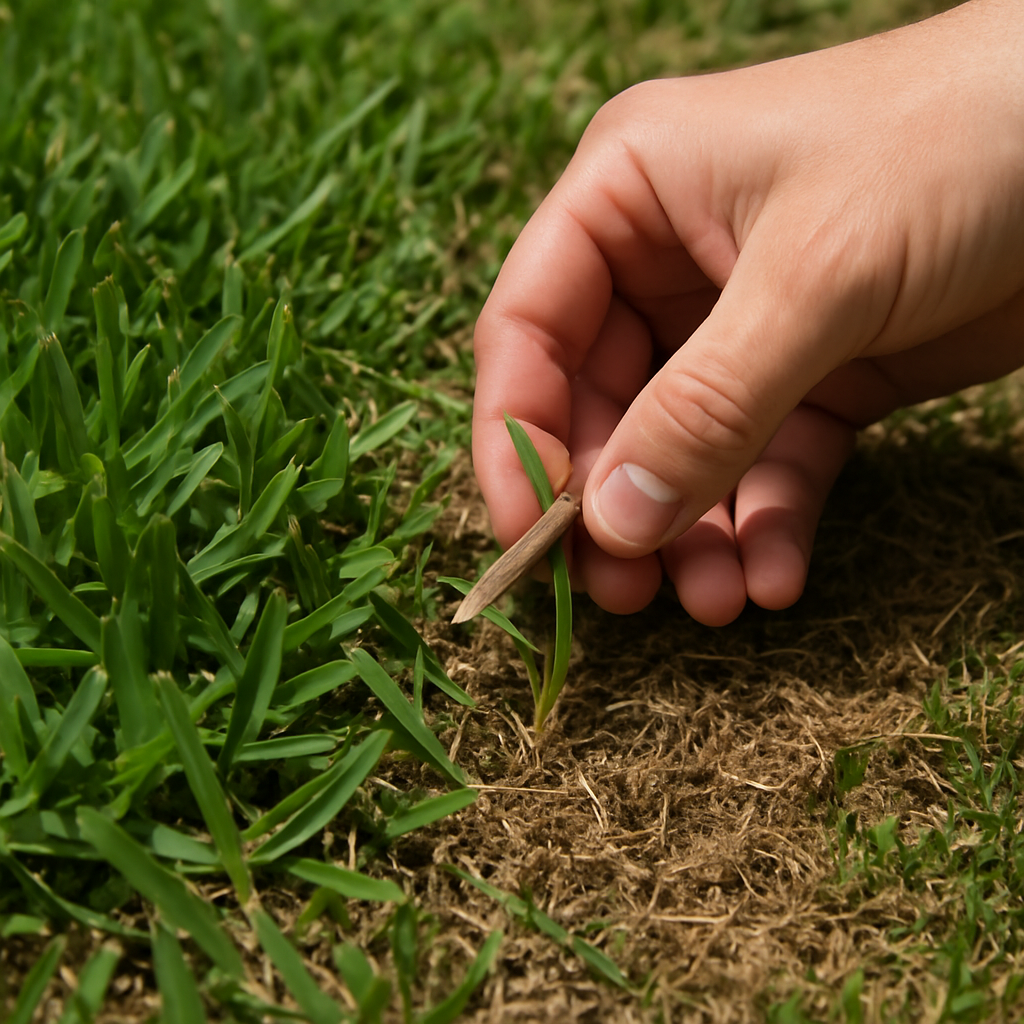
Sod webworm damage in St Augustine grass is a common issue for homeowners across Florida and the Gulf Coast, often resulting in unsightly brown patches, ragged blades, and stunted recovery if left untreated. Identifying the signs early and knowing how to treat and prevent infestations can protect your turf's health, especially in peak worm season. The essential steps focus on accurate identification, immediate treatment, and measures for long-term lawn recovery so your St Augustine grass can thrive even after a webworm attack.
Understanding Sod Webworm Behavior and Life Cycle in St Augustine Lawns
Sod webworms are the larvae of lawn moths and are especially notorious for targeting warm season grasses like St Augustine. These tropical caterpillars feed at night, chewing on grass blades and leaving them with ragged edges. Their life cycle involves several stages: eggs, pupa, larva (webworm), and adult moth, each contributing differently to turf damage.
Eggs are typically laid on the grass blades at dusk by adult moths, making detection challenging until larvae are visible. The larvae feed aggressively, especially during warm, humid conditions when St Augustine is in prime growth. In their pupal stage, sod webworms are often hidden in the thatch layer, making it vital to manage thatch to reduce infestation risks.
This detailed resource highlights the significance of understanding the webworm's life stages for effective timing of control and prevention strategies in St Augustine lawns.
Being able to recognize the transition from eggs to larva and spotting early activity is key to successful intervention before visible damage becomes severe and recovery becomes more difficult.
Spotting Signs and Symptoms: Damage Pictures, Frass, and Lawn Recovery Indicators
Early detection is the key to minimizing sod webworm damage. Visual signs include uneven patches, browned areas, and blades cut off at the base, resulting in a 'chewed' look. One unique clue is the appearance of frass, which are bright green caterpillar droppings found on or near affected grass blades.
- Look for small webbing or silk tunnels at the soil surface during morning or evening hours.
- Ragged-edged blades and a thinning stand often develop in newly established or stressed lawns.
- Brown patches seem to expand quickly, especially in hot, humid weather when webworm feeding accelerates overnight and adults emerge in greater numbers.
Photos found in reputable online sources can help you compare your lawn’s symptoms with authentic sod webworm damage images and guide your assessment. For further visualization of damage and treatment, review these video resources for realistic signs seen in Florida and Texas.
Recovery potential depends on how promptly you react to early signs, as neglected infestations may kill large turf sections and create openings for weeds and other pests.
Effective Sod Webworm Treatment: Organic and Chemical Solutions
Once sod webworms are confirmed as the culprit, prompt treatment is crucial for protecting St Augustine grass from further decline. Insecticidal options range from organic controls such as Bacillus thuringiensis (Bt), which targets young larvae, to synthetic insecticides labeled safe for residential use and for St Augustine turf.
Apply treatments late in the day or early evening when larvae are most active at the soil surface and feeding. Always follow label instructions, taking care not to overapply as this can stress the lawn further during its recovery phase. Control products may need repeat applications for thorough coverage through the webworm life cycle.
To minimize environmental impact, some homeowners prefer natural methods for minor infestations. Beneficial nematodes and other biological controls can reduce sod webworm populations without risking pollinators or beneficial insects. Regardless of the product chosen, consistent monitoring after treatment will ensure the infestation does not rebound.
Integrating treatment with sound mowing and watering practices supports turf resilience and assists St Augustine grass in rapid recovery post-infestation.
Prevention and Recovery Tips: Strengthening St Augustine Lawns After Sod Webworm Attacks
Strong, healthy lawns recover faster from sod webworm damage. Begin with cultural best practices: mow St Augustine to its recommended height, avoid excessive fertilization (which can attract moths), and water deeply but infrequently to promote deep root development.
Thatch management is vital, as sod webworms thrive in thick, spongy thatch layers. Routine dethatching, especially during spring and early summer before moths are active, helps disrupt the webworm cycle. Overseeding thin patches with St Augustine plugs and using soil amendments can speed lawn recovery.
Remain vigilant for new activity by regularly inspecting for signs of feeding, frass, and moth flights. Early season and fall are especially important monitoring periods, as these are peak times for sod webworm activity in southern climates.
Rotating control products seasonally and maintaining a diverse lawn ecosystem with minimal chemical reliance will further protect against repeat infestations and support long-term organic lawn health.
Combining these practices offers the best chance at regaining a vibrant, webworm-free St Augustine lawn after an outbreak is resolved.
Regional Considerations: Sod Webworm Life Cycle Differences in Florida, Texas, and Beyond
Location matters in the management of sod webworms. In areas like Florida, Texas, and the Gulf Coast, the tropical sod webworm enjoys a year-round growing season, which means multiple generations may thrive within a single year. This creates more frequent outbreaks and rapid reinfestations if lawns are not consistently monitored and managed.
Homeowners in cooler climates with bentgrass or bluegrass may experience damage from different sod webworm species, often with a single annual generation and peak moth activity occurring in summer and early fall. Adjusting the timing of inspections and control measures based on local climate helps synchronize intervention with the pest’s life cycle.
Regional knowledge of both the webworm’s development and St Augustine’s seasonal growth patterns allows for timely application of treatments and recovery aids, minimizing lawn stress and maximizing green-up potential.
This tailored approach ensures you are prepared for the challenges of sod webworm infestations, no matter where your St Augustine grass is located.
With prompt attention, informed identification, and strategic lawn care, St Augustine grass damaged by sod webworms can be restored to lush health and sustained with proven preventative practices.


Comments
Post a Comment