How to Identify Bermuda Grass Diseases Pictures for Turfgrass and Bentgrass Lawns
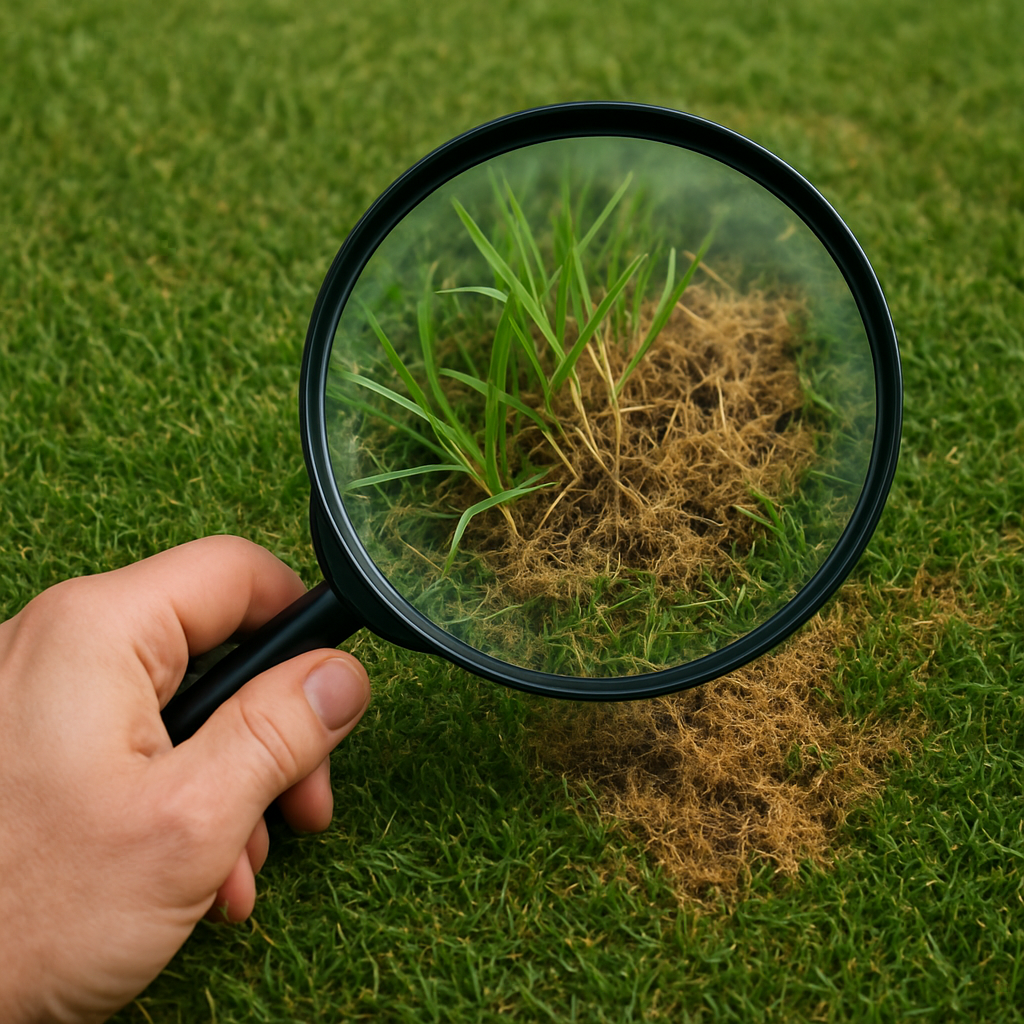
Many lawn owners rely on Bermuda grass for its resilience and lush appearance, but disease outbreaks can cause rapid decline and brown patches if not quickly identified. To help you spot common infections early, this guide explains how to use Bermuda grass diseases pictures for accurate identification—especially in turfgrass and bentgrass lawns—so you can take fast action to protect your lawn. By learning to visually recognize symptoms, you will be able to minimize damage and maintain a healthy, thriving yard.
Recognizing Visual Symptoms in Turfgrass
Accurately identifying Bermuda grass diseases starts with close visual inspection of your turf. Some of the most damaging diseases exhibit distinct color changes, spots, or patches. For example, Brown Patch results in irregular, circular brown areas, while Dollar Spot introduces small bleached patches about the size of a silver dollar.
Photographs are essential in diagnosis, allowing you to compare real-world symptoms to expert-vetted images. When examining your turfgrass, look for patterned discoloration such as rings (common in Fairy Ring) or rapidly spreading dead zones, as seen with Drought Injury. Early identification helps ensure selection of the appropriate treatment method.
Resources like the University of Arkansas Extension offer detailed visual guides to common turfgrass conditions, supporting fast and easy comparison for home gardeners.
Common Disease Types: Fungal Issues on Bermuda and Bentgrass
Fungal diseases are among the most prevalent threats to Bermuda grass. Key examples include Brown Patch, Dollar Spot, and Slime Mold. Each demonstrates unique traits which are visible in disease photos and can help distinguish between fungal infections and other types of damage.
Brown Patch typically manifests as tan or light brown irregular patches with smoky or purple margins, while Dollar Spot is characterized by pale, straw-colored spots and often appears alongside morning dew. Rapid changes in climatic conditions can heighten vulnerability to fungal outbreaks, so ongoing visual surveillance is recommended.
Bentgrass—often found mixed with Bermuda in golf courses and fine lawns—is also susceptible to these fungal pathogens and exhibits similar diagnostic signs. Accessing accurate Bermuda grass diseases pictures for both grass types is crucial for timely and successful intervention.
The GreenCast Disease Guide is a reliable tool for comparing photos of turfgrass diseases, providing detailed visuals for multiple fungal problems.
Identification Methods Using Pictures and Weed Comparison
To distinguish fungal diseases from weed infestations or nutrient disorders, pay close attention to the pattern and spread of symptoms. For instance, irregular patches or rings often suggest fungal infection, while weeds like clover, dandelion, or even buffalo grass usually disrupt turf in clusters or as scattered plants with recognizable broadleaf leaves.
Pictorial guides often showcase side-by-side comparisons of healthy grass blades, affected areas, and common weed impostors. This comparison improves the accuracy of DIY diagnosis and reduces unnecessary or ineffective treatments, such as applying weed killer to a genuine turf disease.
For disease detection, use high-resolution images or a magnifying glass to observe details like fungal mycelium, leaf spotting, or distinctive chlorosis along the blade edges—symptoms well-documented in identification galleries for lawn owners.
Proper visual identification, paired with hands-on examination, saves time and supports targeted control efforts.
Differentiating Disease Damage from Drought and Fertility Issues
Bermuda grass often faces stress from drought injury and improper fertilization, which can closely resemble some fungal diseases in appearance. Picture guides play a critical role in separating environmental damage from true infections. Drought injury is usually marked by uniform browning, crunchiness underfoot, and grass that recovers after rain or irrigation.
Improper fertilization commonly creates streaky, yellow patches that align with mower paths or spreader passes, contrasting with the random patterns of fungal outbreaks. Utilizing photos from trusted university resources can help you spot subtle differences, preventing confusion during diagnosis.
Observe the root zone and thatch layer as well. Fungal pathogens often cause decay or blackened roots, while drought or fertilizer injury keeps roots visually intact or dry but undamaged. This hands-on visual check, guided by high-quality Bermuda grass diseases pictures, ensures precise trouble-shooting and better results for both home and professional turf managers.
Resources for Disease Identification in Bermuda and Related Grasses
Accessing trustworthy references is essential for both new and experienced lawn keepers. University extensions and turfgrass disease guides—such as the University of Arkansas resource—provide robust, image-rich databases for comparison, supporting identification not just in Bermuda grass, but also in secondary turf species like bentgrass, rye, and buffalo grass.
For advice tailored to mixed lawn situations and identifying less-common problems in related species, check out specialized disease guides that cover a wider spectrum. Such resources enhance diagnostic skills and empower you to act early against disease threats.
Commit to ongoing education through webinars, photo-based field guides, and community extension programs—these often include real-world photos, regional updates, and management tips that combine science with hands-on troubleshooting.
Timely visual identification, backed with reliable pictures and extension knowledge, helps maintain healthy, attractive Bermuda, bentgrass, and other lawn varieties for years to come.


Comments
Post a Comment