How Scotts Turf Builder Zoysia Grass Seed Thrives During Dormant Periods and Overcomes Patchy Lawns
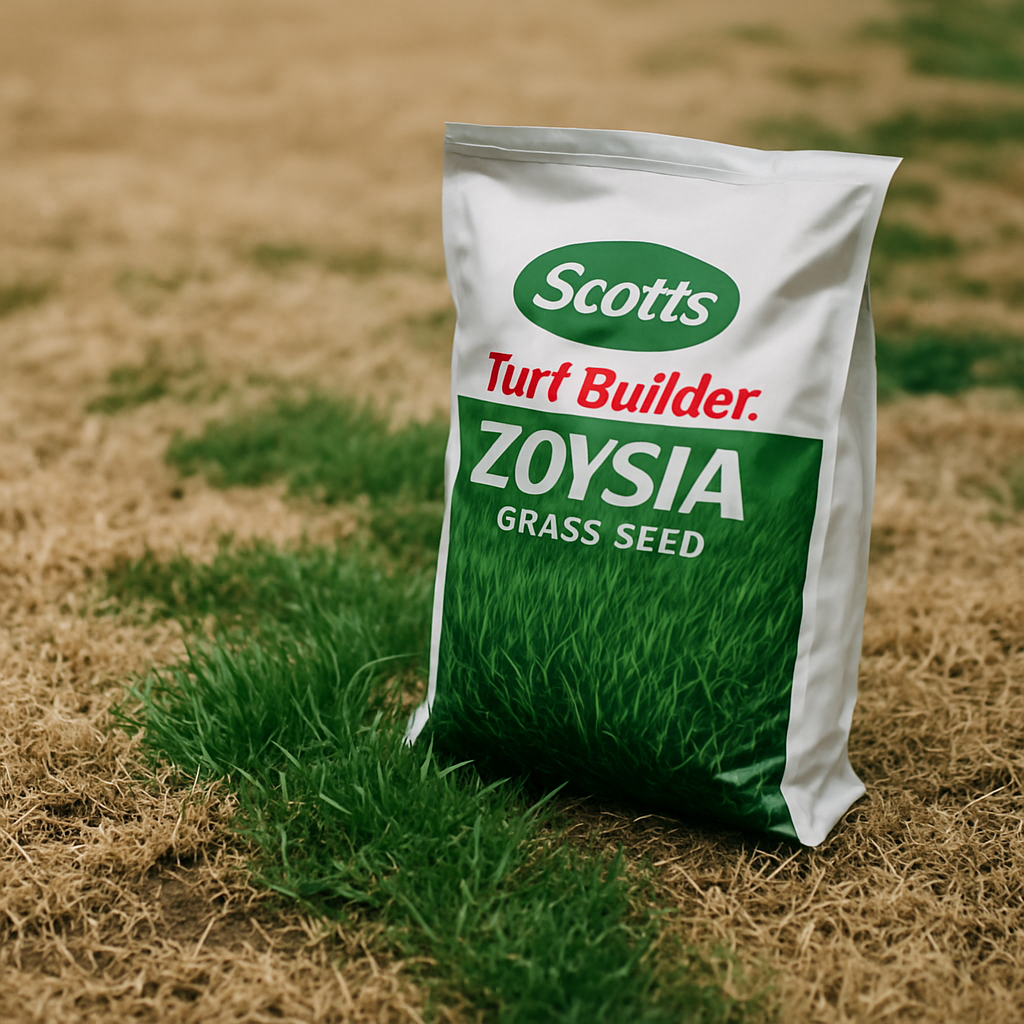
If you are searching for a grass solution that can handle the dormant zoysia grass period while also repairing patchy or overgrown lawn areas, Scotts Turf Builder Zoysia Grass Seed & Mulch stands out as a top choice. Combining specially selected Zoysia varieties and innovative mulch, this seed not only rejuvenates dead or yellowed spots but also builds a resilient turf through seasonal transitions. Homeowners in regions like Georgia or Florida seeking a tough, low-maintenance alternative to Bermuda or St. Augustine grasses will appreciate the product's strong growth habit and drought tolerance. From installation to seasonal care, here is exactly what you need to know to succeed with Scotts' Zoysia grass solutions.
Understanding Zoysia's Dormant Period and Why It Matters
Zoysia grass is renowned for its drought tolerance and beautiful green color throughout most of the growing season. However, as temperatures begin to fall in autumn and winter, Zoysia naturally enters a dormant period, often turning a yellow or brown shade. This phase is a genetic adaptation, allowing the grass to conserve energy and moisture, essential for survival in cooler months. Recognizing this dormancy is critical for correct lawn care routines, as irrigation and fertilization demands shift during this time.
When Zoysia grass turns yellow or brown, it is not dead—just resting. Attempting to force active growth with excess water or fertilization during dormancy can damage the turf's root system. Instead, reduce watering schedules, avoid heavy feeding, and plan any overseeding for early fall or spring, when the seed pallet will encounter optimal conditions for germination. Overseeding patchy or overgrown lawns at these transitional times can significantly boost Zoysia establishment and fill in thin areas.
The mulch component of Scotts Turf Builder Zoysia Grass Seed & Mulch assists during this dormant phase by protecting new seedlings from fluctuating temperatures and retaining soil moisture. This is especially useful in patchy lawns where exposed soil can be vulnerable to temperature swings and weed invasion. To explore product specifics, see the Scotts official page.
Seed Quality, Mulch Blend, and Product Origin
What sets Scotts Turf Builder Zoysia Grass Seed & Mulch apart is the blend's certified seed origin, mulched carrier, and careful composition. Zoysia varieties such as ‘Compadre’, ‘Meyer’, and hybrid selections provide deep green color, medium blade texture, and adapt well in areas from eastern Texas to the Carolinas. The mulch, a proprietary blend, keeps delicate seeds moist during early germination, ensuring a thicker, more even spread compared to traditional uncoated seed.
The seed is 99.9% weed-free as confirmed by supplier certifications, guaranteeing only viable, healthy Zoysia will dominate the overseeded area. This makes it suitable for overseeding both small patchy spots or larger lawns, whether your grass has become thin from drought or shade stress.
The product’s label clearly compares coverage for new lawns versus overseeding: one 5 lb. bag covers up to 665 sq. ft. as a new lawn or 2,000 sq. ft. for overseeding, which means you can adjust your purchase based on the degree of patchiness or overgrowth present. Check third-party verification at Seed World USA for more details on the blend and certification.
Because Scotts sources Zoysia cultivars proven in the southern US, you can be confident of reliable results in states like Georgia or Florida where summers are long and hot, and winters mild but sometimes abrupt.
How Scotts Zoysia Manages Patchiness, Overgrown Lawns, and Artificial Transitions
Patchy and overgrown lawns can result from many factors: excessive drought, compacted soil, overuse, or artificial transitions between grass types. Zoysia grass, especially in the ‘El Toro’ and ‘Zenith’ types included by Scotts, forms dense mats and spreads by stolons and rhizomes, making it well-equipped to invade and stabilize bare soil and outcompete weeds.
If your lawn transitions from Bermuda or fescue to Zoysia, the mulch-assisted seed offers smooth establishment. This lowers the risk of a patchy or artificial look during the initial few months of growth. For best results, spot-treat dead or brown spaces by lightly raking the soil, applying seed at the recommended rate, then keeping the area consistently moist. The green-up will begin as soon as soil temperatures exceed 65°F in spring.
Overgrown lawns might require pre-seeding mowing and removal of excess thatch. After preparation, Zoysia seed blended with mulch can sprout through light debris, adding density without disrupting existing root systems. Scotts’ research-backed approach ensures that even shaded or partially sunlit areas fill in, reducing visible patchiness in as little as four to eight weeks.
Growth Habit, Spread, and Performance During Dormancy
Zoysia's spreading habit is one of the main reasons it is favored for residential and commercial lawns alike. Once established, Zoysia creeps by both aboveground runners (stolons) and underground stems (rhizomes), producing a thick carpet even after most other grasses have gone dormant.
The dormant period typically starts late fall and can persist through late winter or early spring, depending on climate. During this phase, the spread rate slows considerably, energy is redirected to root survival, and color fades as chlorophyll production ceases. New seedlings planted with Scotts mulch will remain visible but protected, resuming robust growth as warmer weather returns.
While Zoysia is slow to establish compared to fast-growing rye or Bermuda grasses, its long-term benefits outweigh the initial waiting period. Regular but not excessive irrigation through dormancy, coupled with early fall and late spring feeding, secures steady recovery and spread in the active season.
Users may observe that lawns planted from Scotts’ Zoysia blends outperform others in color and thickness as soon as dormancy ends. This combination of durability, slow but steady spread, and low maintenance aligns with leisure time lawn care goals and long-term landscape investment.
Optimizing Results: Soil, River Sand, and Maintenance Tips
To optimize the impact of Scotts Turf Builder Zoysia Grass Seed & Mulch during dormant and patchy lawn periods, prepare the seedbed with care. Where soil is heavily compacted or poorly draining, thoroughly tilling and optionally adding clean river sand can enhance root anchoring and drainage, key factors for Zoysia's growth habit. River sand aids germination and maintains soil temperature during spring and fall, further benefiting overseeded areas.
Consistent watering—twice daily for three weeks during the initial establishment—ensures mulch stays moist and seed sprouts effectively. As the grass matures and enters dormancy, taper back to once-weekly irrigation, matching natural rainfall. Avoid mowing below 1.5 inches as Zoysia transitions into or out of the dormant period.
For ongoing care, periodic dethatching and feeding with a balanced fertilizer blend adapted for southern lawns will keep Zoysia lush and green outside its dormant months. Should patchiness persist, light topdressing with seed and mulch in early fall or spring restores uniformity.
Avoid using heavy weed killers or non-organic amendments during establishment. Instead, focus on organic matter, river sand, and smart timing to maximize your investment in Scotts Zoysia seed and simplify long-term lawn care.
With these steps, your Zoysia lawn can serve as a durable, attractive, and low-maintenance foundation—no matter the season or the degree of patchiness faced in your landscape.


Comments
Post a Comment