How to Control White Aphids on Tomato Plants: Garden Home Remedies and Major Signs
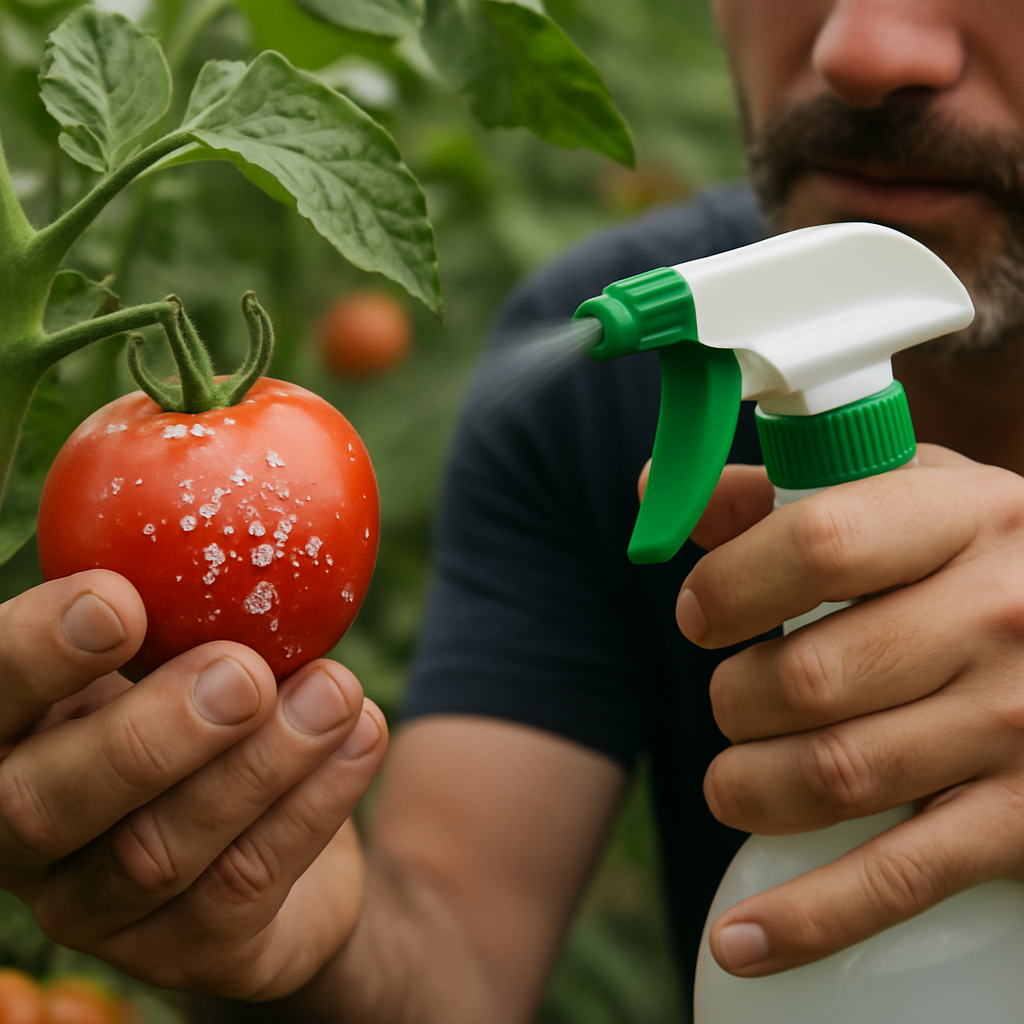
If you have noticed clusters of tiny white bugs on your tomato plant leaves, you are likely dealing with white aphids. These common garden pests can quickly weaken your tomato crop by feeding on sap and spreading diseases, but the good news is you can manage them using simple home remedies. The following guide explains exactly how to identify white aphids on tomatoes, their potential impact on the garden, major signs to look for, and effective, non-chemical treatments you can use to control and prevent infestations.
Recognizing Aphids and Key Signs of Infestation
Aphids are tiny, soft-bodied insects that often cluster on the undersides of tomato plant leaves. While they can be green, black, or reddish, the white aphids people spot are usually either pale nymphs or shed exoskeletons left behind when aphids molt. An easy sign of their presence is the sticky residue called honeydew they leave, along with curled or yellowed leaves and white flecks like dried skins.
Inspect your plants closely, especially under the leaves, looking for groups of small bugs and clusters around new growth or stems. Sometimes you may also observe ants farming aphids for their honeydew, which is another signal you have a pest problem. This video source confirms these classic visual clues and demonstrates the heavy presence of white flecks as aphids molt and multiply.
Significant infestations can cause leaves to curl, stunt plant growth, or even cause fruit to drop prematurely. If unchecked, they can act as vectors for viral diseases. According to university guidance, while tomato plants can tolerate some aphids, severe outbreaks should be addressed for a healthy crop.
Always rule out similar pests like whitefly or spider mites by confirming the size, shape, and color of the bugs; aphids are soft, pear-shaped, and slow-moving compared to other tomato predators.
Impact of White Aphids on Tomato Plant Health
White aphids weaken tomato plants by sucking sap through their piercing mouthparts. This direct feeding causes leaf distortion, yellowing, and reduced photosynthesis, making your tomatoes more vulnerable to sunscald or other pests. During the feeding process, aphids can transmit plant viruses that further threaten yield and fruit quality.
One telltale effect of white aphid feeding is a noticeable sticky surface — honeydew — that can invite sooty mold or attract more insects like ants and wasps. Over time, this can reduce the plant's vigor and make garden management difficult. Some gardeners mistakenly attribute browning leaves, misshapen fruit, or stunted growth to nutrient issues when the true culprit is aphid feeding.
While a robust tomato crop can survive small numbers of aphids, repeated or heavy infestations will require intervention. Catching an aphid outbreak early and applying effective home remedies helps avoid major crop loss and limits the spread of secondary infections common in garden environments.
Companion planting with crops like kale or marigold can sometimes help deter aphids naturally, but observing your tomato plants for early signs is the safest bet for management.
Major Signs Your Tomato Crop Is Under Aphid Attack
- Clusters of white or pale bugs: Most visible on new leaves, stems, undersides, and flower buds.
- Curled, yellowed, or deformed leaves: Aphid feeding causes leaf tissue to twist and discolor.
- Sticky residue (honeydew): A sugary secretion that can make plant surfaces shiny or attract other insects.
- Tiny white flecks: These are actually molted aphid skins, not living insects.
- Presence of ants or sooty mold: Ants feed on honeydew and protect aphids, while black fungal growth appears on the honeydew.
- Stunted plant growth or poor fruit set: Prolonged infestations eventually reduce tomato yields and vigor.
These classic symptoms are your signal to take immediate action with control methods, preventing the aphids from spreading to cherry tomatoes, strawberries, or neighboring crops.
Effective Home Remedies for Aphid Control on Tomatoes
Luckily, white aphids are soft-bodied and susceptible to several chemical-free methods. The three most effective remedies include jet-spraying with water, soapy water applications, and smothering oil sprays. Each tackles aphids differently and is safe for use around most garden crops.
1. Water jet spray: Use a hose with a spray nozzle to blast aphids off the leaves and stems. The force will dislodge them (especially from the undersides of leaves) and help reduce populations immediately. Repeat daily for stubborn infestations and always target both the top and bottom of leaves for best results.
2. Soapy water spray: Mix 1 tablespoon of Castile soap (or 1-2 teaspoons of mild liquid detergent) per gallon of water. Spray all infested surfaces, including the undersides of leaves. The soap penetrates the aphid’s body and disrupts its cell membranes. Use plain soap with no additives whenever possible. According to practical gardening advice, this method is safe for tomatoes and works best when sprayed every three days over 10-12 days.
3. Smothering oil spray: Horticultural oils, like neem or peppermint oil, coat aphids, smothering them and inhibiting further feeding. Blend 1-2 teaspoons of peppermint oil into your soapy water mix, or use a commercially available horticultural oil diluted as directed. Spray thoroughly, focusing on problem areas, and repeat every few days for persistent outbreaks.
Always apply treatments during cooler parts of the day to avoid leaf burn and help sprays remain effective. Monitor your tomatoes for adverse reactions and adjust your approach if any leaf spotting appears.
Preventing Future Aphid Damage on Tomato Plants
Prevention is easier than battling an existing aphid outbreak. Keep tomato plants healthy with proper watering, mulching, and fertilization to reduce vulnerability. Inspect your crops regularly—at least weekly—for early aphid signs, focusing on leaves and new growth. Encourage beneficial insects such as lady beetles and syrphid fly larvae; they are natural predators that help keep aphid populations in check (university extension details their importance).
Consider interplanting tomatoes with companion plants like basil, garlic, or marigolds to reduce aphid attraction. Rotate crops between seasons and remove weeds or debris where pests might hide. In greenhouses, wash tools and hands before handling plants to avoid unintentional transfers.
Prune affected leaves as soon as you spot infestation, and never compost aphid-infested plant material unless hot-composting, as this can spread the pest.
By combining vigilant monitoring with these home remedies and cultural controls, you can keep white aphids and related pests like spider mites or flea beetles from damaging your garden’s tomatoes.
With these practical home remedies and preventative steps, your tomato plants can thrive, free from the most common aphid threats through the season.


Comments
Post a Comment