Paver Installation Cost: How Much Does a 20x20 Patio Cost Per Square Foot and What to Expect
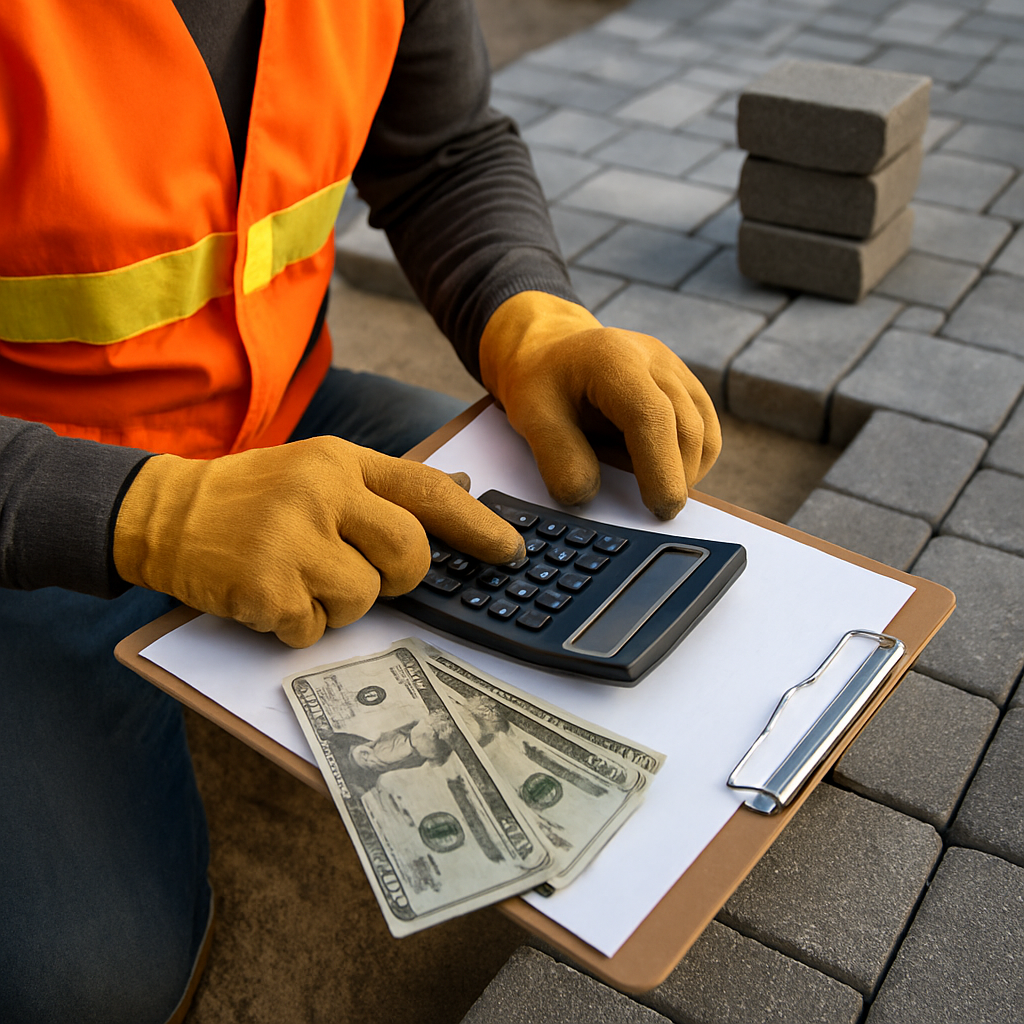
Understanding the True Cost of Installing Pavers on a 20x20 Patio
If you are considering a new patio, knowing the actual paver installation cost per square foot is essential for effective budgeting. For a typical 20x20 patio, the total project cost can range anywhere from $10 to $30 per square foot, varying based on materials, labor, preparation, and local pricing. Understanding these variables right from the start allows homeowners to plan confidently and avoid hidden expenses.
Many factors influence the final investment, including the choice between concrete, brick, or stone pavers, site conditions, and whether you are building it yourself or hiring professionals. This article will guide you step-by-step through every component of pricing a patio, using straightforward explanations and actionable advice for beginners and experienced DIYers alike.
Let us explore each cost-related aspect in detail, so you know exactly what to expect before breaking ground.
Material Choices and Their Impact on Installation Cost
The type of paver you select significantly affects your total outlay. Concrete pavers are usually the most cost-effective option, averaging $2 to $8 per square foot for materials alone. Brick pavers typically fall between $4 and $10 per square foot, while natural stone pavers such as granite or slate can reach $12 to $25 per square foot, depending on the source and finish.
Each material offers different advantages in durability, slip resistance, and visual appeal. Consider your design preferences and climate when making a selection. Often, professional suppliers like those referenced by Oregon State University can offer guidance based on local availability and performance conditions.
Don’t forget to account for extra material to cover wastage or breakage—factor in an overage of about 5-10% when calculating your needs.
Professional Labor Versus DIY Installation: Price Comparisons
Hiring experienced installers usually adds significantly to your paver installation cost per square foot, bringing the total cost to $15-$30 per square foot when labor is included. Labor rates depend on your region, the complexity of your layout, and site accessibility. For a standard 20x20 patio (400 square feet), expect professional labor fees between $3,000 and $8,000 in addition to materials.
DIY installation can considerably reduce your overall expense, making your project more affordable by eliminating most labor charges. However, this savings comes at the cost of greater time investment, the need for rental equipment, and careful attention to proper site preparation. Beginners should consider watching how-to videos or consulting expert guides from sources like Home Depot for step-by-step support.
Additionally, some retailers and local contractors may offer calculation tools or complimentary in-home estimates to help clarify pricing before you commit.
Site Preparation: Excavation, Base, and Sand Bedding Costs
Proper ground preparation is a primary factor in both short-term expense and long-term durability. Excavation typically carries a cost of $1 to $3 per square foot, depending on soil type and whether obstacles like roots or old concrete must be removed. Adding a stable base of crushed stone, as advised in industry-standard guides, generally costs $2 to $4 per square foot, including materials and compaction.
Edge restraints—whether made of plastic, metal, or wood—add another $1 to $2 per linear foot, preventing lateral movement of your pavers and ensuring a lasting finish. Sand bedding creates the final layer before installation. High-quality bedding sand averages $0.50 to $1 per square foot. For an average 20x20 patio, together these steps may cost $1,800-$2,800.
These foundation components are critical for achieving a smooth, level patio and preventing future settling or shifting.
Be sure to follow screeding and compaction techniques, as detailed by university and extension resources, to create the best possible outcome.
Factors Affecting Overall Paver Installation Cost Per Square Foot
Several additional variables can impact your project budget. Geographic location often has the most notable effect, with labor and supply costs being higher in urban centers or areas with robust construction activity. The intricacy of your chosen paver pattern, such as herringbone or running bond, may also require more skill and time, increasing labor costs.
Other important considerations include:
- Accessibility of the site (distance from driveway, slope, obstacles)
- Weather conditions, which may slow the project or require specific materials
- Permit fees if applicable in your municipality
- The addition of perimeter retaining walls or steps
It is always prudent to obtain multiple detailed quotes from local contractors before starting. For regions with unique requirements, such as building in Las Vegas or California, consider consulting area-specific professionals or using a home improvement calculator to estimate your total outlay for walkway, driveway, or patio installations.
Finishing the patio—like compacting pavers and sweeping in sand joints—should be budgeted as part of your overall square foot installation cost, as explained by RCP Block & Brick.
Tips for Reducing Paver Installation Expenses and Maximizing Value
To make the most out of your investment, start by outlining your patio size and design with clear measurements and a simple diagram. Choose a suitable material that balances durability and price. Purchase all required materials—base, sand, edge restraints, and pavers—upfront to benefit from bulk pricing and reduce delivery fees.
If you are comfortable with DIY construction, take advantage of video tutorials, checklists, or guides for beginners. Renting the necessary tools, like compactors and diamond saws, can save several hundred dollars compared to hiring professionals. If your ground is uneven or against your house, follow site-specific guidance to avoid drainage-related issues.
Finally, do not overlook long-term value—well-installed pavers on a stable base will require less maintenance and outlast cheaper short-term fixes. Keep receipts and a record of your installation process for future reference, particularly if you intend to sell your property.
By understanding all primary factors, you can confidently estimate the total cost of installing a 20x20 patio with pavers and make decisions that add lasting enjoyment and value to your home.


Comments
Post a Comment