Weed Whack Before Or After Mowing for Healthier Lawns and Cleaner Edges
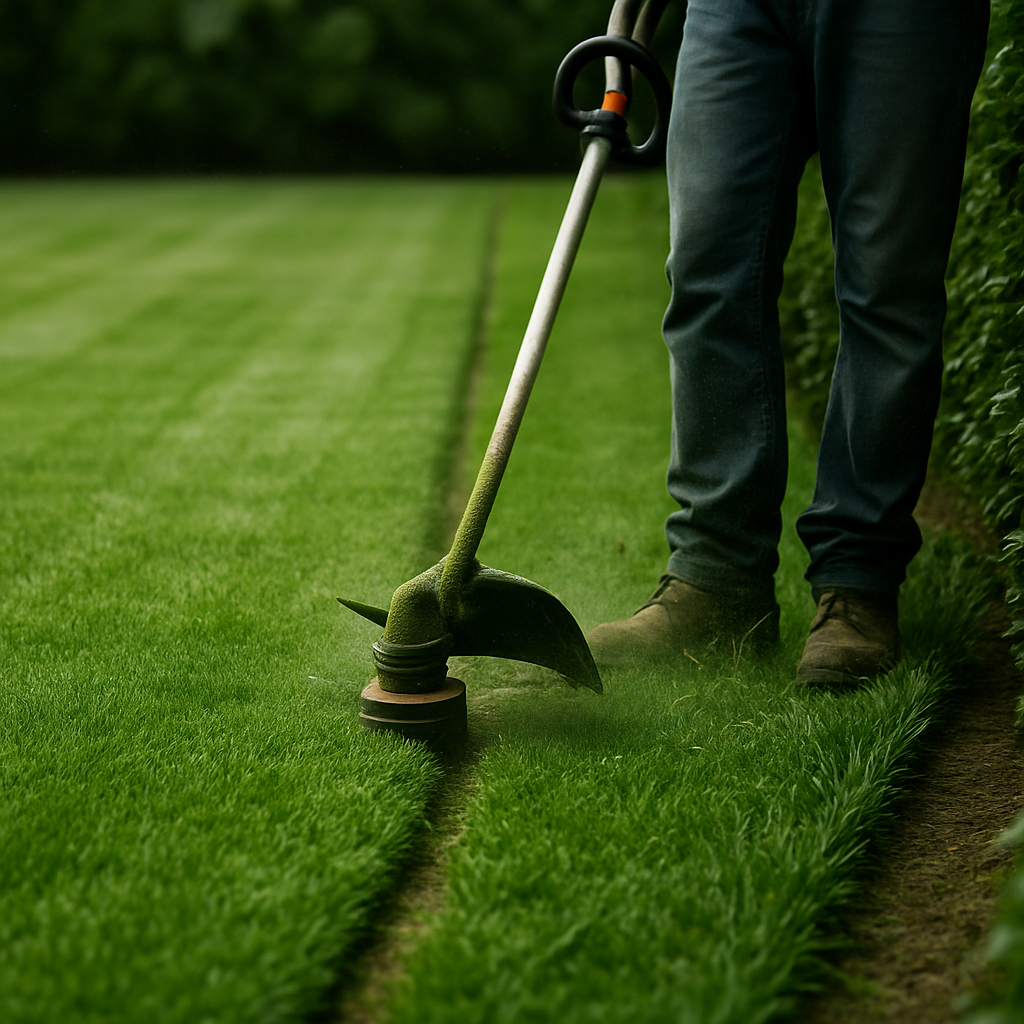
The Best Sequence: Weed Whacking and Mowing for Optimal Lawn Care
If you're aiming for the healthiest, tidiest lawn, weed whacking before mowing offers the best results. By trimming weeds and grass along edges and hard-to-reach spots first, your mower can then evenly cut everything at a consistent height. This approach prevents unsightly tufts and tackle overgrown areas without leaving stray debris or missed patches, ensuring a polished look each time you mow.
Addressing whether to weed whack before or after mowing is a frequent topic among lawn care enthusiasts. Since weed whackers reach places mowers cannot, starting with them allows for a uniform cut once the main mowing is finished. This method also reduces stress on mower blades, as thick stems and weeds are already trimmed, extending the lifetime of your equipment. Knowing exactly when to weed whack alongside mowing makes a visible difference in curb appeal and grass health.
Understanding the Difference Between Trimming and Mowing
Trimming, or weed whacking, specifically targets grass and weeds along borders, driveways, and beds, while mowing takes care of the larger, open spaces. The mower delivers a consistent cut height, but only after edging tools have detailed the lawn's perimeters. Overgrown areas, especially near fences or around landscaping features, demand the precision a weed whacker provides.
For homeowners debating the correct order, mowing first may actually press weeds down, making them harder to trim later. Instead, clear your lawn's edges in advance to guarantee your mowing pattern looks even. If you have a permeable paver grid next to your driveway or mulched bed areas, trimming helps prevent stubborn weed growth where mowers rarely reach.
This sequence also minimizes cleanup, as grass clippings picked up during mowing gather any trimmings left behind by the weed whacker. Achieving a seamless finish often depends on following this logical order.
Distinct results can be observed even after the first try: cleaner frames around lawns and a visible reduction in uneven growth. The mowing process itself also becomes more efficient, as the mower doesn't have to power through excess stalks along the edges.
Barrier Methods and Preventative Strategies for Weed Control
While edging tools are key, pairing your approach with effective barriers under mulch or using a permeable paver grid can dramatically lower future weed maintenance. Laying down landscape fabric or block barriers before mulching beds slows down weed establishment and makes later whacking less necessary.
If you've recently had a new lawn or bed installed, consider working with professional contractors who utilize easy-plant systems that simplify maintenance. Combining mechanical removal with preventative installations keeps beds next to driveways or patios neater throughout the growing season.
Consistent schedules for weed whacking, mowing, and barrier touch-ups lower the risk of complaints about fuzzy or patchy spots in your yard. For persistent areas—such as between pavers—using a weeding knife or hand tool before trimming can help uproot deep-rooted invaders and reduce regrowth.
This layered approach also supports the health of neighboring plantings, since excessive use of salt, vinegar, or other harsh weed killers may damage desired growth. Mechanical methods are generally safer for the ecosystem and provide a cleaner appearance post-mowing.
Frequently Asked Lawn Care Questions
Do you really need to weed whack every time you mow? While not every mow requires edging, sticking to a pattern—such as trimming every other mow—maintains clean lawn frames around beds and driveways. Is it necessary to use weed barrier under mulch? In high-risk weed areas, a barrier markedly decreases regrowth and simplifies recurring maintenance.
How does weather impact mowing and trimming? After heavy rainfall, mow once the lawn is dry to avoid rutting, but weed whack only once the ground has firmed to prevent damaging roots. For those qualifying for a rebate for easy-plant block systems, check with your local landscaping supply store or professional lawn service for current offers and reviews.
Many homeowners prefer edges without mulching in between pavers for a drought-tolerant, low-maintenance look, but these areas will need regular trimming to remain tidy. Lawn care reviews often emphasize that the best results come from combining several techniques tailored to your unique lawn and landscaping needs.
For areas next to driveways where grass tends to spill over, maintaining a mowing-first-then-trim routine keeps those transitions sharp. Applying the right pattern delivers better results week after week.
Expert Tips: Cleaner Yards Without Complaints
To reach professional results, follow these steps:
- Always trim at a height slightly below your mower's setting to avoid uneven lawns.
- Wear safety goggles and secure loose clothing; small stones or debris can be kicked up by weed whackers.
- Lawnworks landscaping and snow removal professionals consistently report fewer client complaints when using the recommended sequence.
- Regularly inspect and maintain both weed whackers and mowers for longevity and peak performance.
- If you notice stubborn weeds in hardscaped areas, consider hand removal or natural treatments first to protect nearby plants.
For additional guidance, the RHS provides detailed advice on managing weeds around patios, driveways, and pavers, combining hand tools and preventative steps.
Ultimately, weed whacking before mowing delivers crisp lawn edges, helps prevent fuzzy yard lines, and makes lawn care more manageable, setting your property up for season-long curb appeal.


Comments
Post a Comment