What to Know About White Aphids on Tomato Plants: Garden Damage, Signs, and Their Control
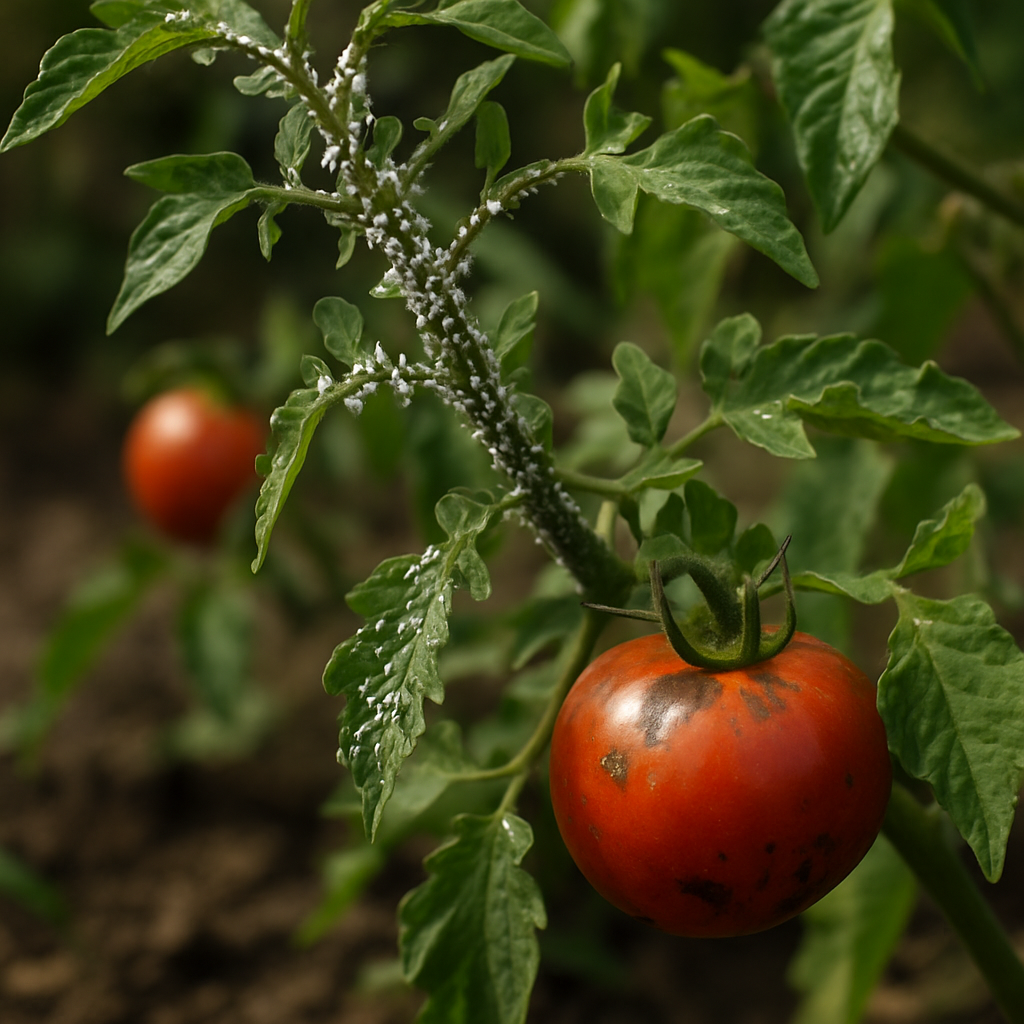
If you have noticed tiny white insects or flaky shells clinging to your tomato plants, you are likely dealing with white aphids or the remains of their skins. These tomato plant pests are notorious for rapidly multiplying and causing a range of problems in your garden, including stunted growth, yellowing leaves, and reduced fruit yield. Recognizing their signs early and understanding effective control methods can save your crop from severe damage.
Identifying Aphids and Their Telltale Signs on Tomatoes
White aphids may appear alongside green, black, red, or pink varieties, but what truly sets them apart is the presence of their thin, white, flakey exoskeletons left behind after molting. These shells often stick to the undersides of leaves, stems, and flowers, making it tricky to distinguish between active pests and their former casings. Aphids generally hide in shaded spots on the plant during sunny days, so thoroughly checking beneath leaves is essential for accurate identification.
Early infestation signs include tiny clusters of bugs, especially along new growth. As they feed by sucking sap from leaves and stems, plants start showing yellow, curled leaves, and may become visibly weaker. Another common indicator is the sticky honeydew residue aphids excrete, which can attract ants and encourage mold growth on tomato foliage.
Don’t overlook these white shells; their abundance is a clear signal that your tomato plants have hosted multiple generations of pests. If unchecked, entire sections of your garden could soon be overwhelmed.
How Aphids Cause Damage to Tomato Plants and Other Crops
Aphids pierce plant tissue with their needle-like mouthparts to extract sap, which quickly saps the plant's energy. Over time, this persistent feeding inhibits leaf development, reduces chlorophyll, and limits the plant's ability to produce healthy, abundant tomatoes. Heavy infestations often lead to extensive yellowing and wilting, which not only stunts growth but may also halt fruit production altogether.
Beyond merely draining the plant, aphids present a unique threat by transmitting viral diseases between infected and healthy crops. This risk applies across various fruits and vegetables, from tomatoes and strawberries to kale and cherry tomatoes, making aphids a widespread concern in both home gardens and commercial operations. Their fast reproductive cycle ensures that even a small initial population can explode rapidly.
In greenhouses and warm southern regions such as Louisiana, Georgia, and Southern California, aphids thrive for longer periods, compounding the challenge for gardeners year-round. Understanding the dual nature of their attack—physical damage and disease vectoring—is key for comprehensive control.
The presence of honeydew also creates an environment favorable to secondary pests like ants and sooty mold, forcing gardeners to address multiple insect issues once aphids invade. Dealing with these tomato plant pests early may save nearby crops like kale or strawberries from a similar fate.
Common Mistaken Identities: White Aphid Skins vs. Other Tiny Pests
Gardeners often confuse the remnants of white aphid moltings with other greenhouse pests such as spider mites, whiteflies, or even flea beetles. However, aphid skins do not move or damage plants themselves, though their presence indicates nearby live aphids. Spider mites, in contrast, are usually smaller and associated with webbing, while whiteflies will flutter when leaves are disturbed.
Recognizing this difference is important because treatment methods may vary. Chemical and biological controls effective on aphids may not address related tomato plant pests like hornworms or cutworms, each with its own management strategies. The scientific name for the most common greenhouse aphid is Myzus persicae, but identification at the species level is rarely necessary for general home remedies.
To confirm which pest you have, check for additional signs such as holes in leaves, brown edges, or webbing. Honeydew and clustered bugs on young leaves strongly suggest aphids are at fault, rather than these other insects.
When you see only the thin, white exoskeletons, remember: living pests are usually nearby, on the move, and require intervention. Misdiagnosis can result in wasted treatments, further harming your plants without reducing the true pest population.
Effective Home Remedies and Organic Control Methods
Aphids are resilient, but home gardeners have multiple safe and effective remedies to take back control. Start with the simplest solution: use a strong stream of water from a garden hose to knock aphids off your plants, being careful to spray away from susceptible crops to prevent spread. Follow up by checking for re-infestation weekly.
Homemade sprays are another popular choice. Mix a few drops of dish soap and a tablespoon of vegetable oil with a quart of water. Spray this solution directly on affected leaves during cooler hours of the day. For an extra boost, add a pinch of cayenne pepper to deter future attacks. As noted on Food Gardening Network, neem oil also offers broad insecticidal properties: mix two tablespoons into a quart of water and apply it to leaves, especially on the undersides where aphids hide.
These remedies offer garden-safe alternatives to harsh chemicals and can help reduce populations of flying, crawling, or nesting aphids—whether green, black, or white. Be diligent; reapply treatments weekly or after rain, and continue monitoring for signs of damage or honeydew. For those growing in greenhouses or susceptible regions, preventative sprays may save a crop before infestations set in.
Remember to inspect other crops nearby, such as kale, strawberries, or even ornamental flowers; aphids do not discriminate and often move between plants, searching for fresh sap.
Preventing Future Attack and Ensuring Long-Term Control
After removing an infestation, your goal should be to prevent aphids from returning. Consistent monitoring, especially during peak growing season, is vital. Regularly inspect new growth, the undersides of leaves, and any signs of sticky honeydew. Removing weeds and plant debris helps reduce hiding places for aphids and their eggs.
Encourage natural predators like ladybugs, lacewings, and parasitic wasps, which thrive in diverse, pesticide-free gardens and quickly curb aphid populations. Companion planting with crops such as nasturtiums and marigolds may also help repel these pests by creating a less hospitable environment on your tomato plants.
For greenhouses, maintaining good airflow and rotating crops can disrupt the aphid lifecycle, making long-term survival less likely. Remove and destroy heavily infested leaves or entire plants, if necessary, to contain major outbreaks and prevent transmission of viral diseases within the crop.
Lastly, keep a gardening diary to track insect activity, crop performance, signs of recurring pests, and the effectiveness of various remedies. This allows you to spot patterns and quickly react to changing pest populations across distinct growing seasons or in different regions, such as southern California, Georgia, or New Zealand.
Consistent vigilance and a mix of proactive organic methods are often all that is needed for ongoing pest management and vibrant tomato harvests year after year.


Comments
Post a Comment