Level Ground Tool Guide: How to Use Tools for Pool Preparation and Small Machine Leveling
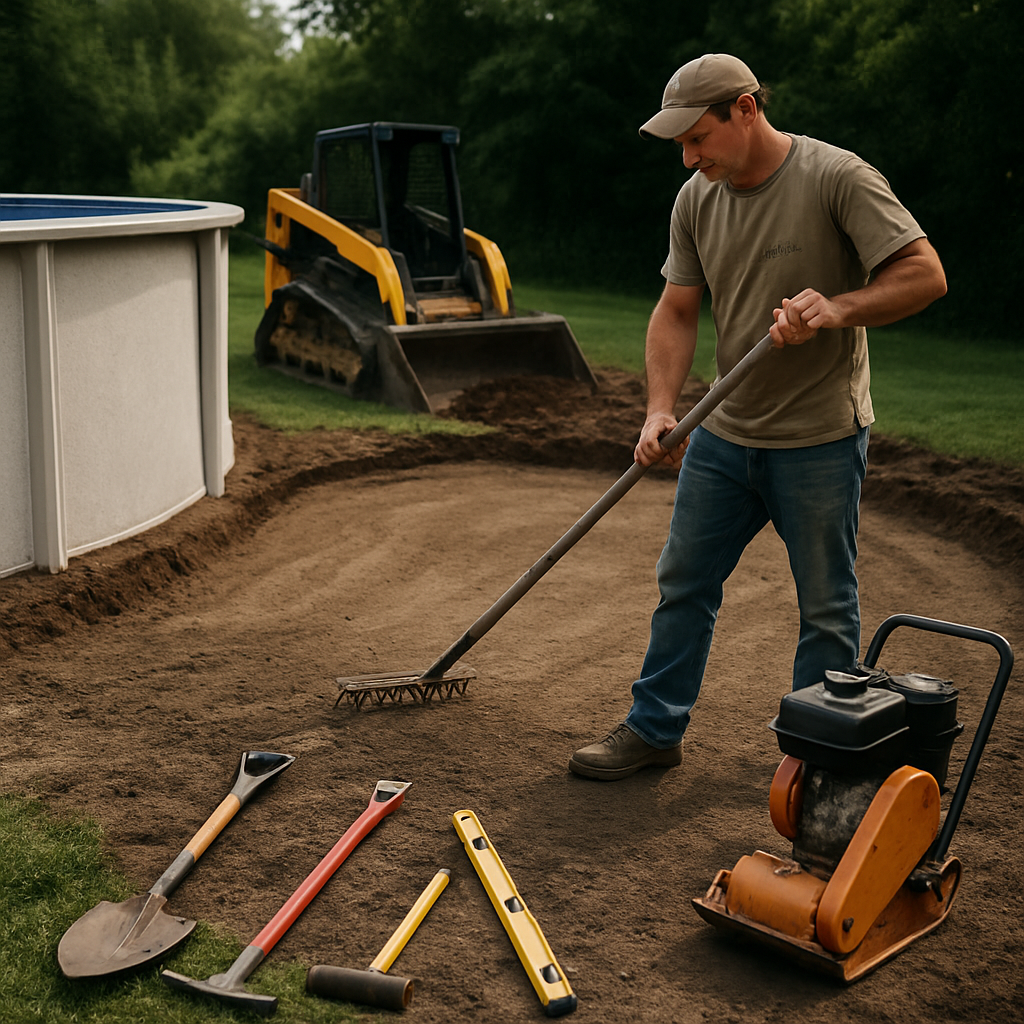
For anyone taking on landscaping or construction projects, having the right level ground tool is essential to achieving an even, sturdy foundation—especially when preparing for installations like a swimming pool or setting up small machines. The proper use of both hand tools and compact leveling equipment ensures that groundwork is flawless, reduces long-term maintenance, and prevents costly errors down the road. This guide walks you through the essentials of selecting and using these tools for precise ground leveling, pool base preparation, and effective small machine groundwork, highlighting practical steps and real-world advice you can rely on immediately.
Understanding Different Types of Leveling Tools
Selecting the correct tool makes a significant difference in both efficiency and final results. Hand tools such as landscape rakes and long straightedges are best for small-scale tasks or tight spaces. For larger areas, a leveling laser or compact plate compactor brings unbeatable precision and speed.
For pool preparation, use a combination of shovels, tamper tools, and a straight 2x4 board to smooth soil and sand. In basic small machine setups—like prepping the ground for a shed or generator—a torpedo level and hand tamper are usually adequate. Meanwhile, laser levels are ideal when you require an extremely flat and even surface over a larger perimeter. Each option suits a particular scale and complexity of the project, so matching the tool to the task is step one in achieving outstanding results.
For those seeking to understand the full purpose behind even-level bases, sites like Level Ground emphasize the principle of establishing strong, reliable foundations, whether in construction or non-profit community projects.
Essential Steps in Pool Base Preparation
Creating a level surface for a pool installation is a multi-phase process that starts with measuring the chosen space. First, remove all grass, rocks, and debris from the area. Drive stakes at several points around the pool's perimeter and use a string line and line level to guide your work.
The next key phase involves bringing in sand or fine gravel and spreading it evenly in small batches. Use a landscape rake to pull material from high to low spots, followed by tamping or compacting to eliminate air pockets. Regularly check your progress with a long straightedge or builder's level across multiple directions to prevent sloping.
One expert recommendation is to lightly wet each layer of sand before tamping. This allows particles to bind and settle more efficiently, providing a firm, stable under-layer for your swimming pool. Finally, confirm that the entire surface falls within 1/8 inch of flatness across the full diameter using a builder's level or laser guide.
Teams at Level Ground MMA have experience preparing functional, multi-use surfaces for gym equipment, demonstrating that precision leveling matters as much in athletic facilities as it does in residential projects.
Using Small Machines for Ground Leveling
Renting or owning small machinery like a mini skid steer or a plate compactor can reduce manual labor significantly. Start by spreading bulk materials—such as gravel or topsoil—across the work area, using the machine's bucket or blade to roughly set elevations.
Once the bulk fill is distributed, use the machine in smaller passes to shave down high areas and gently fill low ones. For high-precision work, combine mechanical leveling with a manual pass: follow up by dragging a straight board or screed across the filled surface to spot and correct minor irregularities.
Laser levels mounted on tripods make machine-guided grading more accurate, especially when constructing bases for sheds, patios, or outbuildings. When space is restricted, hand leveling with a long board and repeated checks with a portable level ensures that machines do not compact areas beyond reach.
Routine inspection of the machine's leveling blade or attachments is necessary; uneven wear can introduce unwanted slopes or dips. Adopting a careful, layered approach leads to professional, even groundwork that supports both landscaping features and structural improvements.
Always review the recommended safety instructions for any leveling equipment before engaging in active use.
Ensuring Lasting Results with Proper Hand Tools
While machines excel in speed, hand tools offer unique advantages in creating fine finishes and approaching corners or edges. A basic toolkit should include a steel landscape rake for spreading, a tamper for compacting fill, a flat shovel for spot correction, and a long straight board for final smoothing.
- Use a level or leveling laser to check your progress at frequent intervals, identifying any unnoticed dips or humps that manual eye-checking can miss.
- Edge locations—such as fence lines, patios, and pool walls—should always be finished by hand, compensating for the minor imprecision that machines might leave behind.
- Mist the soil or sand between each tamping pass to encourage settling and strong compaction.
Hand finishing also extends to fixing inadvertent footprints or wheel marks. Work in knee-length sections and avoid overreaching which can cause unevenness. Consistently using your tools with overlapping passes achieves a much flatter, stable foundation, integral for both small machines and pool installations.
For ongoing maintenance or when landscaping creates new challenges, keep your core hand tools clean and stored in a dry place to maintain their efficiency and accuracy over years of use.
Sourcing, Safety, and Meaningful Use of Leveling Equipment
Reliable level ground tools are available at most home improvement centers or specialized hardware retailers. When possible, opt for tools with robust metal construction, ergonomic handles, and certified manufacturer support for safety and longevity. Renting larger machinery is practical for one-off projects; always request a demonstration or user guide to minimize operating errors and ensure the right results.
Safety should be a top priority—use gloves, eye protection, and sturdy footwear to prevent injury when handling manual or powered leveling tools. When operating compact machines, never work alone and keep children and pets away from the active project zone.
The concept of creating 'level ground' also holds symbolic value in many communities and faith traditions. For organizations like Level Ground Coffee, 'leveling' represents opportunity, equity, and a strong starting point for all—a philosophy that resonates whether you are working in your backyard or striving for greater social good.
Whatever your project scope, applying these specific techniques and choosing the best combination of tools leads to more dependable, longer-lasting results and makes every subsequent improvement easier and safer to achieve.


Comments
Post a Comment