How To Get Rid Of Bark Beetles: Naturally Protect Trees and Prevent Damage in California, Texas, and Florida
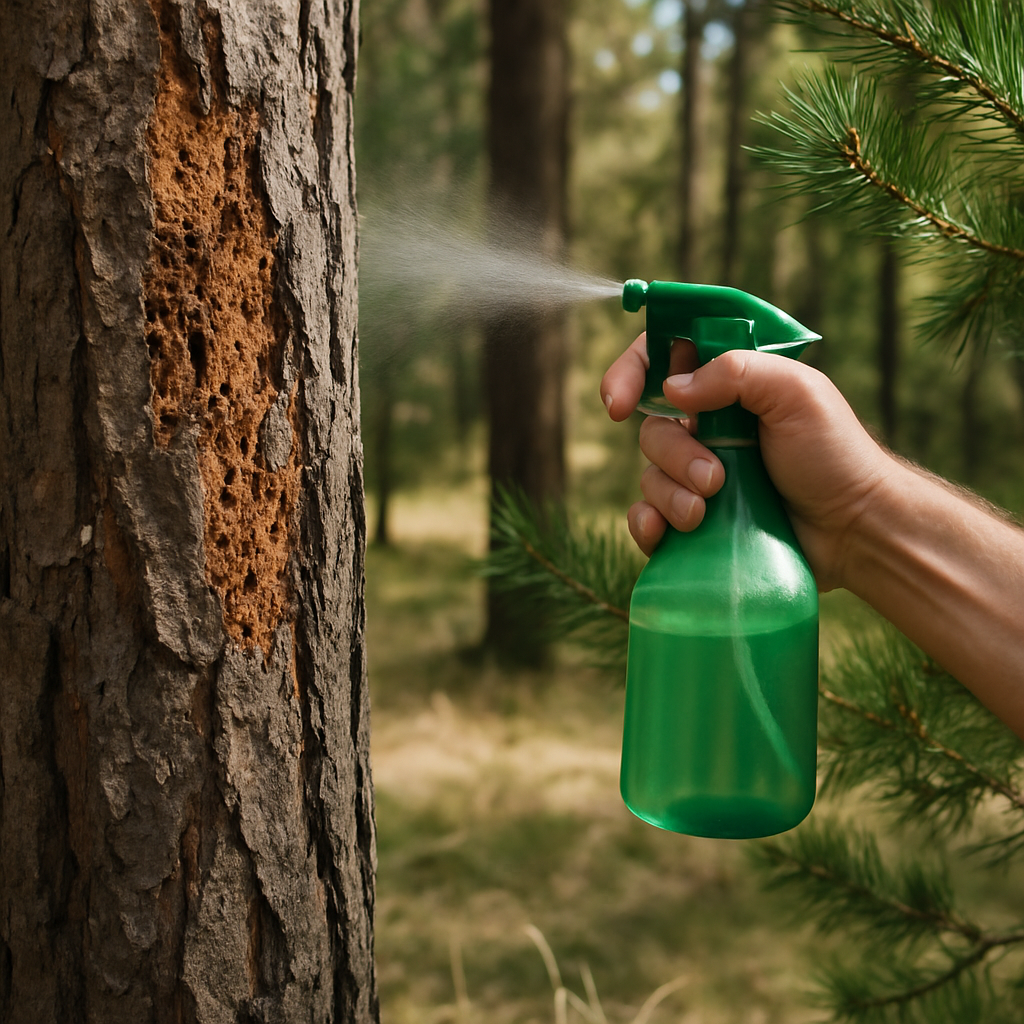
Bark beetle infestations can devastate trees in regions like California, Texas, and Florida, threatening forests, landscapes, and even residential areas. To effectively get rid of bark beetles, start by monitoring trees closely for signs such as small holes, sawdust, or the presence of larvae beneath the bark. Early detection is the best defense, and adopting a combination of natural prevention and targeted treatment methods can save your valuable trees.
Recognizing Signs of Infestation and Tree Vulnerability
Bark beetles leave distinct clues when they attack trees. Look for tiny entry holes in the bark, pitch tubes (resin exuding from the tree), and accumulations of frass (fine sawdust) at the tree's base. These signs suggest that beetles are boring into the inner bark and potentially laying eggs.
As the larvae feed, they burrow characteristic winding galleries beneath the bark, interrupting water and nutrient flow. Trees weakened by drought or disease are especially susceptible. In California and Texas, pine and spruce trees are frequent targets, while in Florida, a range of native and ornamental species can be affected.
Regular assessment can reveal early pest activity, which is vital for intervening before major damage occurs. Remember, infested branches will often turn brown and die back rapidly, signaling the need for immediate action.
For more on these destructive beetles, see the authoritative summary at Wikipedia: Bark Beetle.
Natural Bark Beetle Control Methods for Home and Garden
If you're seeking to get rid of bark beetles naturally in and around the house, emphasize preventive care and eco-friendly treatments. Begin by increasing tree vigor through proper watering and mulching, which helps trees fight off pest attacks. Healthy trees have a better chance of repelling beetles with their natural sap production.
Physical removal of infested branches can slow beetle spread. Prune affected limbs well below visible tunnels or larvae, and promptly destroy the cut material to prevent beetles from relocating. Introducing beneficial insects, such as predatory clerid beetles, can help manage minor outbreaks without chemicals.
Avoid transporting infested firewood or cut branches, as this can introduce beetles to new areas—particularly important in states like Texas and California where beetle spread is a key concern. Solarizing small logs (encasing them in clear plastic in full sun) can kill larvae and pupae naturally.
Best Insecticides and Chemical Control—When Are They Needed?
While natural methods are preferred, severe infestations sometimes require insecticide application, especially on valuable or high-risk trees. Systemic insecticides applied as soil drenches or trunk injections can be effective at killing bark beetle larvae within living trees.
Bifenthrin, permethrin, and carbaryl are among the best insecticides for bark beetle prevention when applied as a preventive trunk spray before beetles attack. Timing is critical—these chemicals offer little control once larvae are established beneath the bark.
It is essential to follow local guidelines for application rates and safety, and to consult with licensed professionals when treating large or sensitive areas. Be sure to avoid harming beneficial insects, like pollinators and predatory beetles, which aid in pest management.
Further information on bark beetle management and recommended practices can be found at Del Mar Bark Beetle Resource.
Never use home pesticides indoors to get rid of bark beetles, as most infestations occur outdoors and household products aren’t approved or effective for tree application.
Trees Most at Risk: What Bark Beetles Prefer to Attack
Bark beetles are notorious for targeting conifers like pine, spruce, and fir, especially in drought-stricken forests. However, many species can infest a wide range of trees, including ornamental varieties, fruit trees, and even some hardwoods.
California's iconic Torrey pine and Monterey pine, Texas pines and junipers, and the slash pine of Florida are all vulnerable to different bark beetle species. In urban settings, stressed fruit and nut trees also may fall victim. It's vital to tailor prevention strategies to your region and your tree species.
- Mountain pine beetle primarily attacks lodgepole and ponderosa pine.
- Southern pine beetle is a major threat throughout the southeastern states, including Florida and Texas.
- Ips beetles target weakened or fire-damaged trees and can attack healthy specimens if populations surge.
For a comprehensive overview of hosts and beetle behavior, explore the details on Bark Beetles Info.
Prevention Tips to Keep Bark Beetle Larvae and Damage at Bay
Prevention is the best long-term strategy. Maintain healthy trees by deep watering during drought, correcting soil deficiencies, and mulching to conserve moisture. Remove and destroy dead or dying trees promptly—these are prime breeding sites for bark beetles.
If your area is known for bark beetle activity, consider using pheromone repellents or trap logs (freshly cut logs used to attract and then destroy beetles) as part of your integrated pest management plan. Inspect trees after storms or extreme heat, since these stresses can trigger infestations.
Regularly monitor for fresh exit holes or sawdust, and consult with local arborists at the first sign of trouble. Because bark beetles can spread quickly, early intervention is key to protecting entire stands or neighborhoods.
While bark beetles are not considered dangerous to humans, their ability to kill large stands of trees can alter entire ecosystems and pose fire risks in affected areas. By combining prompt detection, good tree care, and region-specific prevention, you can prevent significant bark beetle damage and preserve the health of your urban forest.
Addressing bark beetle problems naturally and proactively is the most effective way to safeguard trees in regions like California, Texas, and Florida.


Comments
Post a Comment